
No DevOps team? No problem.
How Insy went from first commit to production in six weeks, with everything declared in code and no dedicated ops department.
2 min read
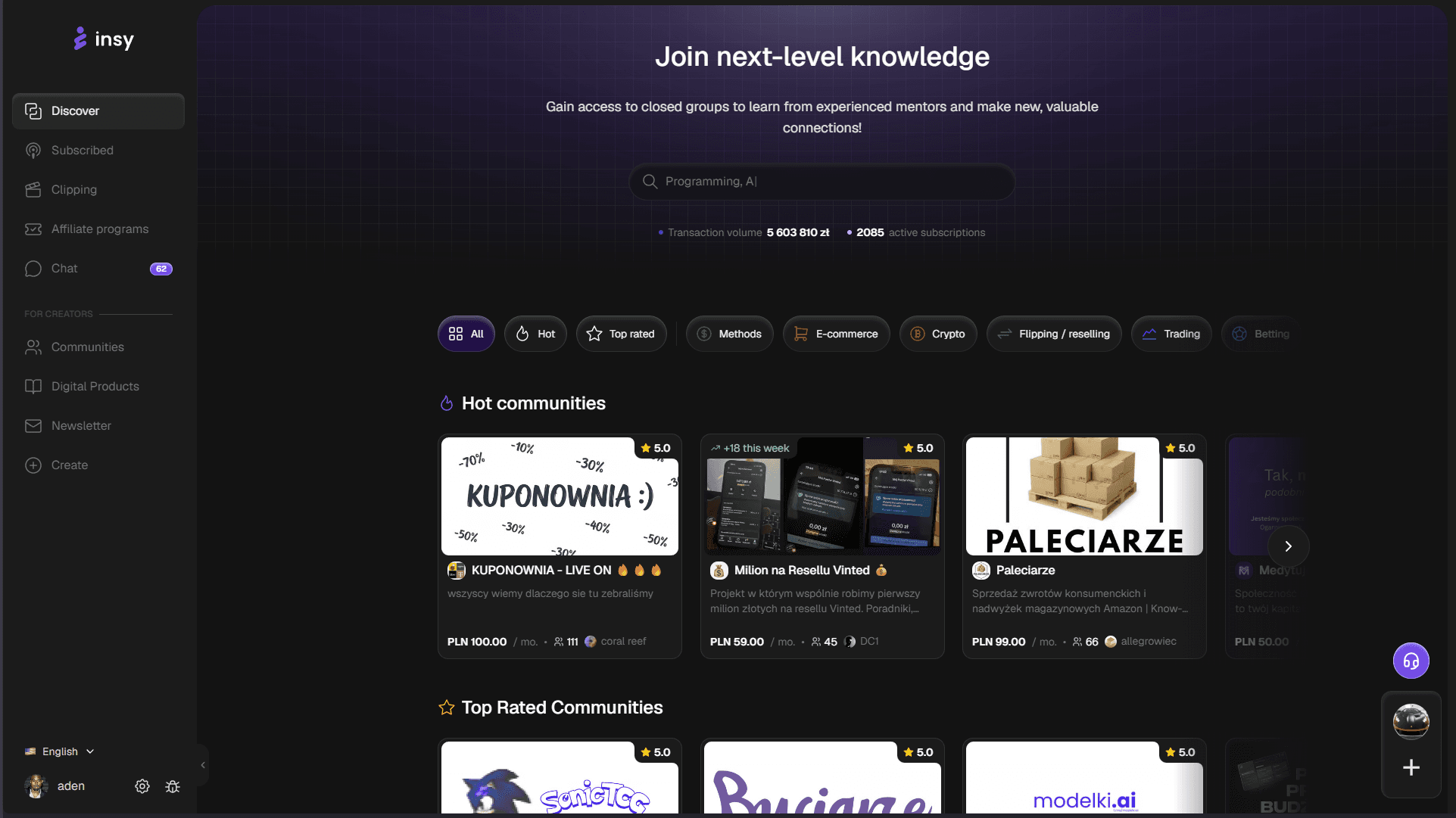
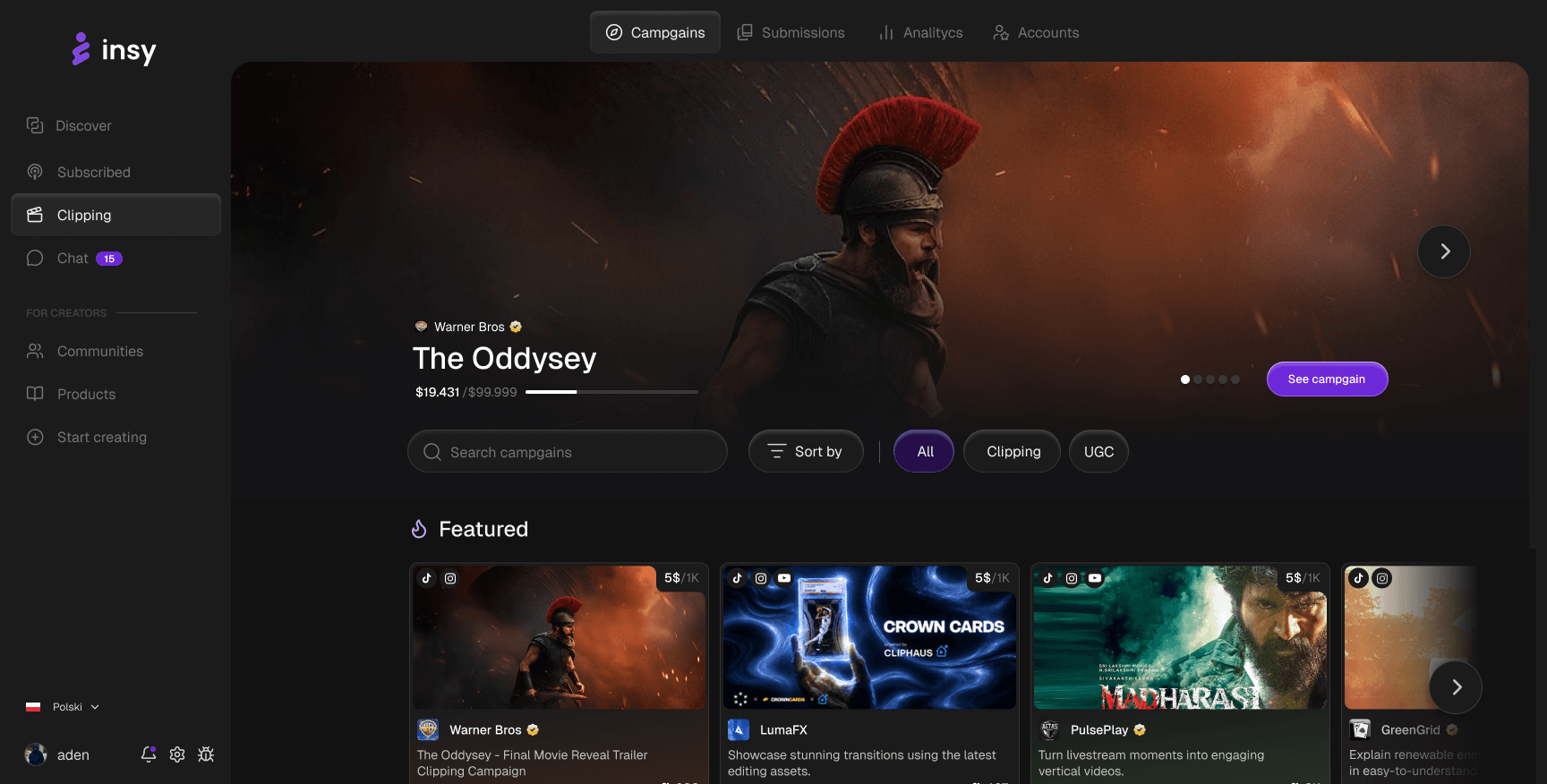
Insy is a platform for creators who monetize communities and digital products: subscriptions, payments and Telegram and Discord integrations. The infrastructure was built alongside the product, starting in November 2025, by a small team with no dedicated ops department.
Six weeks later, production was running on Kubernetes. Here is the approach that made it possible.
One rule: everything as code
Nothing is clicked together in a console. Every layer of the platform is declared in a git repository, reviewed like application code and reproducible from scratch:
- Terraform provisions two Kubernetes clusters (Talos Linux) on Hetzner.
- ArgoCD keeps what runs inside them in sync with git: 22 platform components and 24 production apps.
- NixOS defines the support servers, down to the last package.
- devenv gives every developer the same stack locally, started with a single
devenv up.
“Keep development, staging, and production as similar as possible.”
That principle drove most decisions. Local services use the same bucket names, regions and domain structure as production, so the code does not need a single if (dev) branch.
Releases without ceremony
Commits follow Conventional Commits, and every push to the main branch calculates the next semantic version automatically. A release generates the changelog, a GitHub Release and a team notification. The result so far: 256 releases with zero manual version bumps.
CI only rebuilds the services a change actually touches, and staging deploys merge themselves. Production stays behind one deliberate click in ArgoCD, so a human always signs off.
Observability from day one
Metrics, logs and traces flow into one place from the start. Beyond CPU and memory, the apps export product metrics: active users, funnel events and queue backlog. When something slows down, the team sees what it means for users, not just for servers.
Want to see the product side of this project? Read the Insy case study or get in touch if you are building something similar.
Building something similar?
Tell us about your project and we will get back to you with specifics.
Keep reading

01 · 1 min read
One site, two languages: getting multilingual SEO right
Why we moved our own site from a client-side language switch to separate URLs, and what changed for search engines.

02 · 1 min read
From kickoff to launch in four weeks
What a fixed-scope project with us looks like week by week, and why speed doesn't have to cost quality.

03 · 1 min read
Your users don't have your phone
Why we test every launch on budget devices, and the three techniques that keep heavy, animated sites smooth on them.